The four best diets to induce autophagy
Learn the four most powerful diets for mitochondrial health to support autophagy, cellular renewal, healthy aging, and longevity.

What to know
Autophagy involves the breakdown and recycling of old and damaged cells and is important for healthy aging.
The ketogenic, Mediterranean, and plant-based diets have been shown to induce autophagy.
Fasting and caloric restriction also stimulate autophagy.
The key considerations for a diet to induce autophagy are meal timing, energy content, and polyphenol content.
Diet can only support mitophagy indirectly. Consider targeted Mitopure supplementation to directly activate mitophagy.
Dietary choices are among the most powerful ways to kickstart autophagy and longevity. As such, several dietary strategies have been highlighted as “autophagy diets.” From intermittent fasting to ketogenic eating and beyond, this article will feature four of the best autophagy diets and how to increase autophagy naturally.
What is Autophagy?
Autophagy is the body’s natural cellular repair process for healthy aging. The term “autophagy” literally means “self-eating,” in which cells regenerate under certain conditions to support optimal well-being.
Over time, as we age, our cells can become defective, hindering necessary processes for physical and cognitive health. Autophagy works as the quality control center for your cells to delay this decline, repurposing the cellular “clutter” and defective parts into new versions for optimal performance [1].
Mitophagy is a specialized form of autophagy that helps remove damaged or dysfunctional mitochondria. Because mitochondrial quality is closely linked to energy production, inflammation, and cellular health, researchers are studying how autophagy and mitophagy may contribute to healthy aging and longevity[2]
Why is Autophagy Necessary for Healthy Aging?
Autophagy [3]is essential for healthy aging. Research finds that autophagy and mitophagy are associated with:
- Slowed age-related damage
- Delayed mitochondrial decline
- Improved muscle function
- Increased energy production
- Enhanced performance
- Promoted cognitive health
Healthy aging isn't just about preventing disease, but about proactively prioritizing health. Supporting processes like autophagy and adopting a longevity diet may promote long-term cellular health.
Mitophagy: A Form of Autophagy
One specific type of autophagy is called mitophagy, which refers to the recycling of cellular mitochondria (Wang et al., 2023, Signal Transduction and Targeted Therapy). This process is critical, as the mitochondria generate 80-90% of the energy[4] we need to survive .
Unfortunately, mitophagy efficiency declines with age, allowing damaged mitochondria to accumulate and cellular function to deteriorate. That age-related slowdown is now considered a meaningful driver of how we feel and function over time[5].
What are the Best Diets to Induce Autophagy?
Certain diets are well-recognized inducers of autophagy or they include nutrients that have been clinically shown to induce autophagy. This includes the ketogenic diet, intermittent fasting, the Mediterranean diet, and a plant-based diet. Here is more on each of these.

1. Ketogenic diet and autophagy
The ketogenic or “keto” diet is one of the most widely discussed autophagy diets. The diet is very low in carbohydrates (typically under 50 grams a day), modest in protein, and high in fat. Preclinical data finds that when carbohydrates are restricted to this extent, metabolism is shifted into a state of ketosis, where the body primarily burns fat for fuel in the form of ketones instead of carbohydrates from the diet.[6]
Researchers theorize that the keto diet triggers autophagy primarily by mimicking starvation. The cells are starved of energy due to very low carbohydrate intake, causing certain proteins and enzymes to turn on and off. These shifts in “energy switches” set off the process of autophagy.[7]
Who benefits the most from a keto diet: The ketogenic diet may be a good fit if you prefer a lower-carbohydrate eating style or are looking to improve metabolic health. However, because it is highly restrictive, it may not be appropriate for everyone and should be discussed with your healthcare provider or registered dietitian before starting.
How to get started: Begin by gradually reducing carbohydrate-rich foods such as bread, pasta, rice, and sugary beverages while increasing healthy fats from foods like avocados, nuts, seeds, olive oil, and fatty fish. Focus on low-carb vegetables, adequate protein from lean sources like chicken breast, ground turkey, and tofu, and whole-food fat sources to help make the transition into ketosis more manageable and sustainable.
2. Intermittent fasting and autophagy
Intermittent fasting is a dietary approach that alternates between periods of eating and fasting. Numerous studies have examined an autophagy fasting relationship. Several fasting methods may trigger autophagy, both flexible intermittent fasting schedules and more prolonged fasts alike.[8]
As fasting extends and the body goes longer without consuming calories, cells begin to sense an energy shortage similar to that on the keto diet. While calorie restriction may contribute to this effect to some extent, research suggests[9] that intermittent fasting itself may stimulate autophagy even without reducing overall calorie intake. It may do this by naturally creating longer gaps between meals, giving your cells time to switch from growth and storage mode into repair and maintenance mode.
While the minimum number of fasting hours needed to trigger autophagy is not yet confirmed, most sources suggest at least 18-24 hours[10] may be necessary for peak benefits.
Who may benefit most from intermittent fasting: Intermittent fasting may be a good fit for those who thrive on a structured eating schedule or who find themselves frequently snacking. While fasting may support autophagy, it's not appropriate for everyone. Individuals with diabetes, certain medical conditions, or a history of disordered eating should discuss fasting approaches with a healthcare professional.
How to get started: Many fasting novices start with a 12:12 schedule, where you fast for 12 hours overnight and eat during a 12-hour window during the day (such as 7:00 a.m. to 7:00 p.m.). Once that feels comfortable, some people gradually progress to a 14:10 or 16:8 schedule where you fast for 10 or 8 hours, respectively. Focus on staying hydrated during fasting periods and prioritizing nutrient-dense meals rich in protein, fiber, and healthy fats during your eating window.
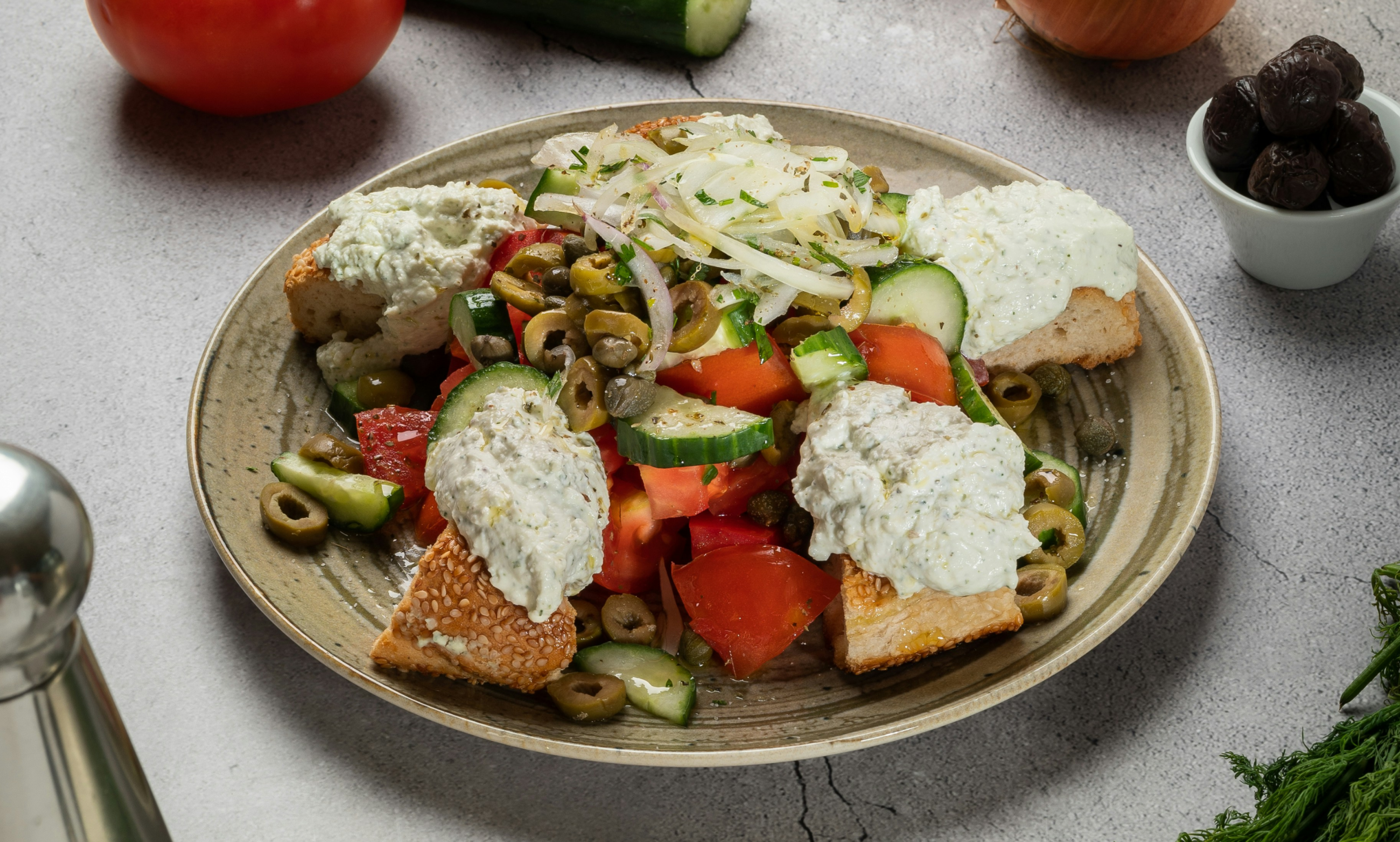
3. Mediterranean diet and autophagy
The Mediterranean diet is a plant-forward eating style rich in fruits, vegetables, whole grains, olive oil, and fish. While there is no clinical data directly stating that the Mediterranean diet induces autophagy, it contains anti-inflammatory compounds called polyphenols found in foods like pomegranates, berries, artichokes, tea, and dark chocolate. These polyphenols can directly trigger autophagy[11] to slow the aging process and protect against metabolic decline.
In some cases, it is not the polyphenol itself that supports these pathways, but the compounds our gut microbes produce from it. Urolithin A is one example. After we eat ellagitannins, polyphenols found in foods such as pomegranates, certain berries, and nuts, specific gut microbes can convert them into Urolithin A, a postbiotic that supports mitophagy, the cellular process that helps clear damaged mitochondria .[12]
In addition to being rich in foods that promote autophagy, the Mediterranean diet may support health by reducing chronic inflammation[13]. The diet's emphasis on healthy fats, fiber-rich plant foods, and antioxidants supports cellular resilience. Together, these diet features may contribute to healthier aging and a lower risk of age-related diseases.
Who may benefit most from a Mediterranean diet: The Mediterranean diet can be a great option for a less restrictive, sustainable approach to healthy aging. It is particularly well-suited for those interested in supporting heart health, metabolic health, brain function, and longevity while still enjoying a wide variety of foods. Because it emphasizes nutrient-dense whole foods rather than strict rules or food elimination, it can be easier to maintain for some compared to more restrictive dietary approaches.
How to get started: Start by building more meals around Mediterranean staples like vegetables, fruits, beans, lentils, whole grains, and healthy fats like extra virgin olive oil. Regularly include fish and polyphenol-rich foods such as berries, pomegranates, tea, and dark chocolate to increase your intake of compounds that support autophagy and healthy aging.
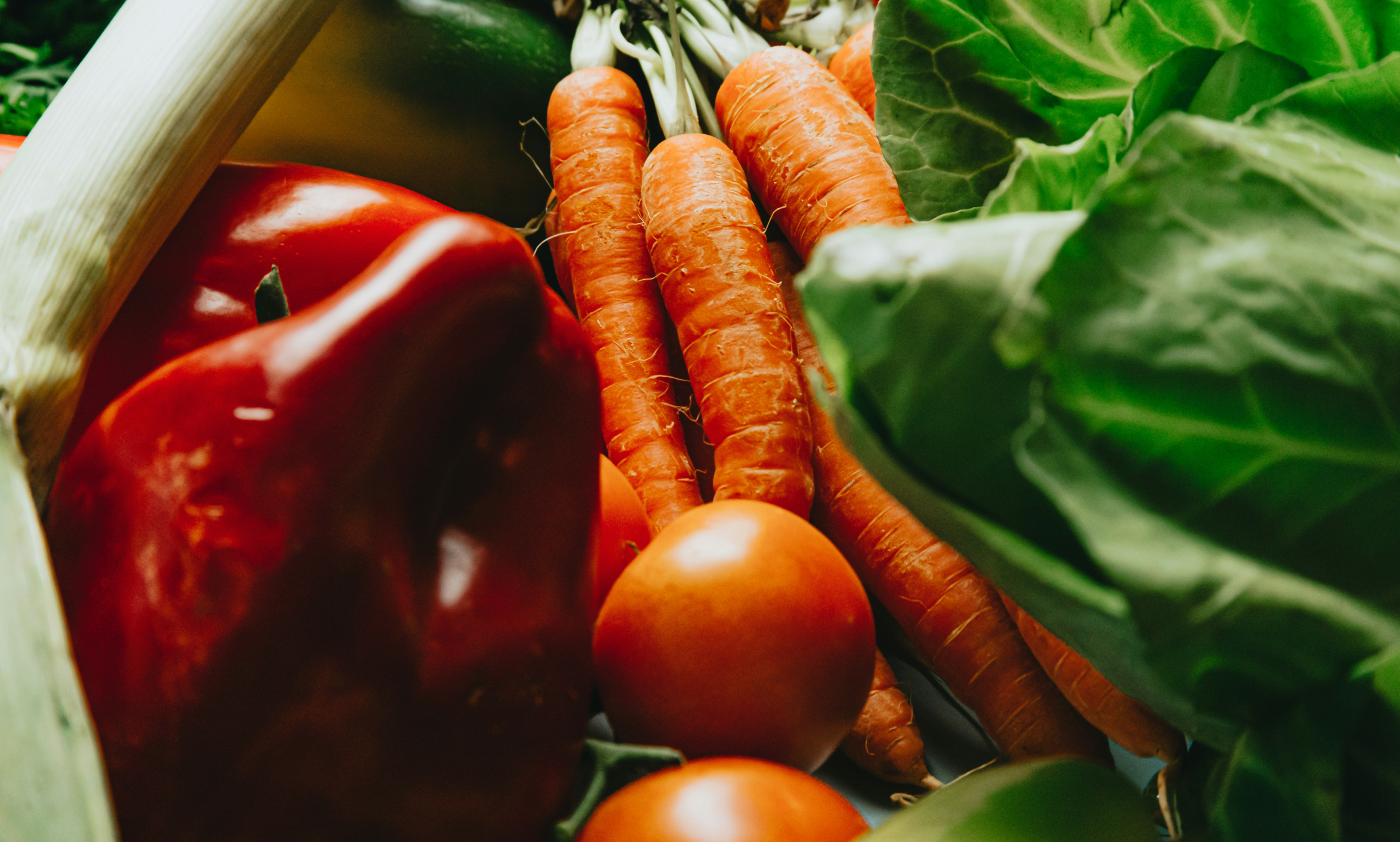
4. Plant-based diet and autophagy
A diet that is rich in plants with a modest content of protein may also support autophagy in several ways. First, they can naturally be lower in certain amino acids (protein-building blocks) that activate certain cell growth pathways [14]. When these pathways are halted because they don’t have all the proteins to activate them, cells can shift from growth mode into repair and recycling mode. However, much of this evidence comes from laboratory and animal studies, and researchers are still clarifying how dietary protein patterns influence autophagy in humans.
Plant-based diets are also rich in the polyphenols from fruits, vegetables, legumes, herbs, and spices, which may also stimulate autophagy [15]. Together, these factors create an environment that may support healthy aging and cellular renewal.
Who may benefit most from a plant-based diet: A plant-based diet may be a good fit for anyone trying to naturally increase their intake of nutrient-dense foods to support longevity. It may be especially appealing to those looking who prefer plant-based protein sources like beans, lentils, and seeds and are looking to increase their intake of fiber.
How to get started: Begin by making plants the foundation of most meals, aiming to fill at least half your plate with vegetables and fruits. Then, gradually incorporate more beans, lentils, nuts, seeds, and whole grains while reducing reliance on ultra-processed vegetarian foods whenever possible.
How to Increase Autophagy Naturally, Beyond Diet
In addition to dietary strategies, there are several other ways to support your body’s natural repair processes:
- Exercising regularly, including both strength and endurance training[16]
- Prioritizing sleep, as cell rejuvenation occurs during this time[17]
- Managing chronic stress, which can affect cellular function over time [18]
Is Diet Enough to Support Mitophagy?
Dietary interventions can support mitophagy, but they are often not enough. While calorie restriction and fasting have been shown to improve mitophagy, hese eating patterns are not practical or appropriate for everyone.
Urolithin A, the pomegranate metabolite from earlier, offers another way to support mitophagy. Here’s the catch: you may not be able to make enough through diet alone. Studies show that only 30-40% of the population can make meaningful amounts of Urolithin A from food[19] due to the composition of their gut microbiome and their intake of the dietary precursors.
That gap is exactly what targeted Mitopure is designed to fill.
Mitopure® promotes mitophagy
Supplementing with Mitopure (clinically validated Urolithin A) is a way to support the mitophagy side of cellular renewal directly, without relying on gut bacteria.
In randomized, placebo-controlled human trials, Mitopure has been shown to:
- Increase muscle strength by up to 12% after 16 weeks.[20]
- Improve markers of mitochondrial and cellular health .[21]
- Directly activate mitophagy, regardless of gut health.
- Boost cellular energy through mitochondrial renewal.
Mitopure is backed by 18 years of research and 25 human clinical trials. It is the only Urolithin A supplement supported by multiple placebo-controlled human clinical trials with third-party testing.
Mitopure Softgels
4.5 (4752) · 95% recommend
The simplest form of Mitopure
Final Words: Building Your Autophagy Diet
Autophagy is a key cellular repair process for healthy aging. While there are no single “autophagy foods,” dietary patterns rich in polyphenols, strategic meal timing, regular exercise, quality sleep, and targeted support for mitochondrial health can all optimize cellular renewal, energy production, and long-term vitality.
Frequently Asked Questions About Autophagy
How long do you need to fast to trigger autophagy?
There is no confirmed number of fasting hours that "switches on" autophagy in humans, because autophagy is difficult to measure directly in living people. Animal studies suggest that markers of autophagy rise noticeably after roughly 24 hours of fasting, while a 2025 randomized human trial found that daily time-restricted eating increased autophagic flux when practiced consistently over six months.[22]
Can you induce autophagy without fasting?
Yes, fasting is one lever to induce autophagy, but not the only one. Exercise (especially higher-intensity training), a polyphenol-rich diet, moderating protein intake, and quality sleep can each help stimulate autophagy pathways.[23]
For the mitochondria-specific process of mitophagy, Urolithin A offers a direct route that doesn't require fasting at all.[24]
What foods trigger autophagy?
The foods most associated with autophagy are those rich in polyphenols, which act as caloric-restriction mimetics that can switch on the process. These include pomegranates, berries, artichokes, green tea, dark chocolate, and other plant foods, herbs, and spices.[25]
Notably, the pomegranate and berry compounds behind Urolithin A only benefit you if your gut bacteria can convert them, something most people cannot do effectively.[26]
What is Urolithin A and how does it relate to autophagy?
Urolithin A is a gut-derived metabolite made from the ellagitannins in pomegranates, berries, and nuts, and it is the most direct dietary route to mitophagy, the recycling of mitochondria [27]. Because only about 12% of people have detectable Urolithin A from diet alone, direct supplementation is a reliable way to reach the levels studied in trials [28]
Mitopure is a clinically studied form of Urolithin A shown in randomized, placebo-controlled trials to improve markers of mitochondrial and cellular health and to increase muscle strength by up to 12% after 16 weeks.[29]
Authors

Professor of Nutrition & Scientific Writer

Reveiwed by
Director Science Communications
References
- ↑
Ebata, H., & Hansen, M. (2026). Links Between Autophagy and Healthy Aging. Journal of molecular biology, 438(6), 169656. https://doi.org/10.1016/j.jmb.2026.169656 (https://www.google.com/url?q=https://doi.org/10.1016/j.jmb.2026.169656&sa=D&source=docs&ust=1786538763892849&usg=AOvVaw2VRgEeL9bfO3j2JBhRTGq5)
Palmer, J. E., Wilson, N., Son, S. M., Obrocki, P., Wrobel, L., Rob, M., Takla, M., Korolchuk, V. I., & Rubinsztein, D. C. (2025). Autophagy, aging, and age-related neurodegeneration. Neuron, 113(1), 29–48. https://doi.org/10.1016/j.neuron.2024.09.015 (https://www.google.com/url?q=https://doi.org/10.1016/j.neuron.2024.09.015&sa=D&source=docs&ust=1786538763867278&usg=AOvVaw3IBxojZBvEXVYi_kzHDyO4)
- ↑
Ebata H, Hansen M. Links Between Autophagy and Healthy Aging. J Mol Biol. 2026 Mar 15;438(6):169656. doi: 10.1016/j.jmb.2026.169656. Epub 2026 Jan 21. PMID: 41577121; PMCID: PMC12912249.
- ↑
Ebata H, Hansen M. Links Between Autophagy and Healthy Aging. J Mol Biol. 2026 Mar 15;438(6):169656. doi: 10.1016/j.jmb.2026.169656. Epub 2026 Jan 21. PMID: 41577121; PMCID: PMC12912249
- ↑
Casanova A, Wevers A, Navarro-Ledesma S, Pruimboom L. Mitochondria: It is all about energy. Front Physiol. 2023 Apr 25;14:1114231. doi: 10.3389/fphys.2023.1114231. PMID: 37179826; PMCID: PMC10167337.
- ↑
Markaki, M., Palikaras, K., & Tavernarakis, N. (2018). Novel Insights Into the Anti-aging Role of Mitophagy. International review of cell and molecular biology, 340, 169–208. https://doi.org/10.1016/bs.ircmb.2018.05.005 (https://www.google.com/url?q=https://doi.org/10.1016/bs.ircmb.2018.05.005&sa=D&source=docs&ust=1786538763872699&usg=AOvVaw0NInLcqj-A8XsEAfbmBbLV)
- ↑
Liśkiewicz, D., Liśkiewicz, A., Grabowski, M., Nowacka-Chmielewska, M. M., Jabłońska, K., Wojakowska, A., Marczak, Ł., Barski, J. J., & Małecki, A. (2021). Upregulation of hepatic autophagy under nutritional ketosis. The Journal of nutritional biochemistry, 93, 108620. https://doi.org/10.1016/j.jnutbio.2021.108620 (https://www.google.com/url?q=https://doi.org/10.1016/j.jnutbio.2021.108620&sa=D&source=docs&ust=1786538763905158&usg=AOvVaw2i7qWWRbu-oWbZrijXf_KF)
- ↑
Jiang Z, Yin X, Wang M, Chen T, Wang Y, Gao Z, Wang Z. Effects of Ketogenic Diet on Neuroinflammation in Neurodegenerative Diseases. Aging Dis. 2022 Jul 11;13(4):1146-1165. doi: 10.14336/AD.2021.1217. PMID: 35855338; PMCID: PMC9286903.
Liśkiewicz D, Liśkiewicz A, Nowacka-Chmielewska MM, Grabowski M, Pondel N, Grabowska K, Student S, Barski JJ, Małecki A. Differential Response of Hippocampal and Cerebrocortical Autophagy and Ketone Body Metabolism to the Ketogenic Diet. Front Cell Neurosci. 2021 Aug 11;15:733607. doi: 10.3389/fncel.2021.733607. PMID: 34456688; PMCID: PMC8385303. - ↑
Jamshed, H., Beyl, R. A., Della Manna, D. L., Yang, E. S., Ravussin, E., & Peterson, C. M. (2019). Early Time-Restricted Feeding Improves 24-Hour Glucose Levels and Affects Markers of the Circadian Clock, Aging, and Autophagy in Humans. Nutrients, 11(6), 1234. https://doi.org/10.3390/nu11061234 (https://www.google.com/url?q=https://doi.org/10.3390/nu11061234&sa=D&source=docs&ust=1786538763908046&usg=AOvVaw2-qq8sd_dQ0w8e3OhzNV44)
- ↑
Shabkhizan R, Haiaty S, Moslehian MS, Bazmani A, Sadeghsoltani F, Saghaei Bagheri H, Rahbarghazi R, Sakhinia E. The Beneficial and Adverse Effects of Autophagic Response to Caloric Restriction and Fasting. Adv Nutr. 2023 Sep;14(5):1211-1225. doi: 10.1016/j.advnut.2023.07.006. Epub 2023 Jul 30. PMID: 37527766; PMCID: PMC10509423.
- ↑
Erlangga Z, Ghashang SK, Hamdan I, Melk A, Gutenbrunner C, Nugraha B. The effect of prolonged intermittent fasting on autophagy, inflammasome and senescence genes expressions: An exploratory study in healthy young males. Human Nutrition & Metabolism. 2023;32:200189. doi:https://doi.org/10.1016/j.hnm.2023.200189 (https://www.google.com/url?q=https://doi.org/10.1016/j.hnm.2023.200189&sa=D&source=docs&ust=1786538763911761&usg=AOvVaw1OPj-JNp9aXVsHAGxv2ZRT)
- ↑
Chandrasekaran V, Hediyal TA, Anand N, Kendaganna PH, Gorantla VR, Mahalakshmi AM, Ghanekar RK, Yang J, Sakharkar MK, Chidambaram SB. Polyphenols, Autophagy and Neurodegenerative Diseases: A Review. Biomolecules. 2023 Jul 31;13(8):1196. doi: 10.3390/biom13081196. PMID: 37627261; PMCID: PMC10452370.
- ↑
Singh, A., D'Amico, D., Andreux, P. A., Dunngalvin, G., Kern, T., Blanco-Bose, W., Auwerx, J., Aebischer, P., & Rinsch, C. (2022). Direct supplementation with Urolithin A overcomes limitations of dietary exposure and gut microbiome variability in healthy adults to achieve consistent levels across the population. European journal of clinical nutrition, 76(2), 297–308. https://doi.org/10.1038/s41430-021-00950-1 (https://www.google.com/url?q=https://doi.org/10.1038/s41430-021-00950-1&sa=D&source=docs&ust=1786538763910134&usg=AOvVaw1B9w6M0kvUcSM7mnl8QiBL)
- ↑
Chavda VP, Feehan J, Apostolopoulos V. Inflammation: The Cause of All Diseases. Cells. 2024 Nov 18;13(22):1906. doi: 10.3390/cells13221906. PMID: 39594654; PMCID: PMC11592557.
- ↑
Szabo Z, Koczka V, Marosvolgyi T, Szabo E, Frank E, Polyak E, Fekete K, Erdelyi A, Verzar Z, Figler M. Possible Biochemical Processes Underlying the Positive Health Effects of Plant-Based Diets-A Narrative Review. Nutrients. 2021 Jul 28;13(8):2593. doi: 10.3390/nu13082593. PMID: 34444753; PMCID: PMC8398942.
- ↑
Bednarczyk, M., Dąbrowska-Szeja, N., Łętowski, D., Dzięgielewska-Gęsiak, S., Waniczek, D., & Muc-Wierzgoń, M. (2024). Relationship Between Dietary Nutrient Intake and Autophagy-Related Genes in Obese Humans: A Narrative Review. Nutrients, 16(23), 4003. https://doi.org/10.3390/nu16234003 (https://www.google.com/url?q=https://doi.org/10.3390/nu16234003&sa=D&source=docs&ust=1786538763880986&usg=AOvVaw2a_lKc4pkELUCpIZHw0jSp)
- ↑
Brandt, N., Gunnarsson, T. P., Bangsbo, J., & Pilegaard, H. (2018). Exercise and exercise training-induced increase in autophagy markers in human skeletal muscle. Physiological reports, 6(7), e13651. https://doi.org/10.14814/phy2.13651 (https://www.google.com/url?q=https://doi.org/10.14814/phy2.13651&sa=D&source=docs&ust=1786538763882010&usg=AOvVaw2ygIwvlu1AaqxBMR7PUJxJ)
- ↑
Zhang, W., Liu, D., Yuan, M., & Zhu, L. Q. (2024). The mechanisms of mitochondrial abnormalities that contribute to sleep disorders and related neurodegenerative diseases. Ageing research reviews, 97, 102307. https://doi.org/10.1016/j.arr.2024.102307 (https://www.google.com/url?q=https://doi.org/10.1016/j.arr.2024.102307&sa=D&source=docs&ust=1786538763884318&usg=AOvVaw1YsgzhPqGxWwApcoURn7c5)
- ↑
Wong, S. Q., Kumar, A. V., Mills, J., & Lapierre, L. R. (2020). Autophagy in aging and longevity. Human genetics, 139(3), 277–290. https://doi.org/10.1007/s00439-019-02031-7 (https://www.google.com/url?q=https://doi.org/10.1007/s00439-019-02031-7&sa=D&source=docs&ust=1786538763890927&usg=AOvVaw0vfmq6E_qu1uNKSNhr5aJL)
- ↑
Singh, A., D'Amico, D., Andreux, P. A., Dunngalvin, G., Kern, T., Blanco-Bose, W., Auwerx, J., Aebischer, P., & Rinsch, C. (2022). Direct supplementation with Urolithin A overcomes limitations of dietary exposure and gut microbiome variability in healthy adults to achieve consistent levels across the population. European journal of clinical nutrition, 76(2), 297–308. https://doi.org/10.1038/s41430-021-00950-1 (https://www.google.com/url?q=https://doi.org/10.1038/s41430-021-00950-1&sa=D&source=docs&ust=1786538763887582&usg=AOvVaw3i_aevIz4cHj8YSIYscRr8)
- ↑
Singh, A., D'Amico, D., Andreux, P. A., Fouassier, A. M., Blanco-Bose, W., Evans, M., Aebischer, P., Auwerx, J., & Rinsch, C. (2022). Urolithin A improves muscle strength, exercise performance, and biomarkers of mitochondrial health in a randomized trial in middle-aged adults. Cell reports. Medicine, 3(5), 100633.
- ↑
Liu, S., D'Amico, D., Shankland, E., Bhayana, S., Garcia, J. M., Aebischer, P., Rinsch, C., Singh, A., & Marcinek, D. J. (2022). Effect of Urolithin A Supplementation on Muscle Endurance and Mitochondrial Health in Older Adults: A Randomized Clinical Trial. JAMA network open, 5(1), e2144279. https://doi.org/10.1001/jamanetworkopen.2021.44279 (https://www.google.com/url?q=https://doi.org/10.1001/jamanetworkopen.2021.44279&sa=D&source=docs&ust=1786538763871493&usg=AOvVaw2z7DoL32SxWHknMOnpjJMX)
- ↑
Bensalem, J., Teong, X. T., Hattersley, K. J., Hein, L. K., Fourrier, C., Dang, L. V. P., Singh, S., Liu, K., Wittert, G. A., Hutchison, A. T., Heilbronn, L. K., & Sargeant, T. J. (2025). Intermittent time-restricted eating may increase autophagic flux in humans: an exploratory analysis. The Journal of physiology, 603(10), 3019–3032. https://doi.org/10.1113/JP287938 (https://www.google.com/url?q=https://doi.org/10.1113/JP287938&sa=D&source=docs&ust=1786538763877542&usg=AOvVaw0-B4k6qpYaIYNesEiu6zIb)
Bagherniya, M., Butler, A. E., Barreto, G. E., & Sahebkar, A. (2018). The effect of fasting or calorie restriction on autophagy induction: A review of the literature. Ageing research reviews, 47, 183–197. https://doi.org/10.1016/j.arr.2018.08.004 (https://www.google.com/url?q=https://doi.org/10.1016/j.arr.2018.08.004&sa=D&source=docs&ust=1786538763864532&usg=AOvVaw1VnNm_rvsaMay-TlqPOVfE)
- ↑
Schwalm, C., Jamart, C., Benoit, N., Naslain, D., Prémont, C., Prévet, J., Van Thienen, R., Deldicque, L., & Francaux, M. (2015). Activation of autophagy in human skeletal muscle is dependent on exercise intensity and AMPK activation. FASEB journal : official publication of the Federation of American Societies for Experimental Biology, 29(8), 3515–3526. https://doi.org/10.1096/fj.14-267187 (https://www.google.com/url?q=https://doi.org/10.1096/fj.14-267187&sa=D&source=docs&ust=1786538763875712&usg=AOvVaw3KDLsVH2AhGcMk2U2U_WWl)
Yessenkyzy, A., Saliev, T., Zhanaliyeva, M., Masoud, A. R., Umbayev, B., Sergazy, S., Krivykh, E., Gulyayev, A., & Nurgozhin, T. (2020). Polyphenols as Caloric-Restriction Mimetics and Autophagy Inducers in Aging Research. Nutrients, 12(5), 1344. https://doi.org/10.3390/nu12051344 (https://www.google.com/url?q=https://doi.org/10.3390/nu12051344&sa=D&source=docs&ust=1786538763862091&usg=AOvVaw1O8Rs52NxZSxHO1Y9SpuSS)
Meijer, A. J., Lorin, S., Blommaart, E. F., & Codogno, P. (2015). Regulation of autophagy by amino acids and MTOR-dependent signal transduction. Amino acids, 47(10), 2037–2063. https://doi.org/10.1007/s00726-014-1765-4 (https://www.google.com/url?q=https://doi.org/10.1007/s00726-014-1765-4&sa=D&source=docs&ust=1786538763860202&usg=AOvVaw24ELOWUpG4GNhuRiYV8AqM)
- ↑
Ryu, D., Mouchiroud, L., Andreux, P. A., Katsyuba, E., Moullan, N., Nicolet-Dit-Félix, A. A., Williams, E. G., Jha, P., Lo Sasso, G., Huzard, D., Aebischer, P., Sandi, C., Rinsch, C., & Auwerx, J. (2016). Urolithin A induces mitophagy and prolongs lifespan in C. elegans and increases muscle function in rodents. Nature medicine, 22(8), 879–888. https://doi.org/10.1038/nm.4132 (https://www.google.com/url?q=https://doi.org/10.1038/nm.4132&sa=D&source=docs&ust=1786538763896014&usg=AOvVaw10G5nHfQeMPN-S400RHCTu)
- ↑
Yessenkyzy, A., Saliev, T., Zhanaliyeva, M., Masoud, A. R., Umbayev, B., Sergazy, S., Krivykh, E., Gulyayev, A., & Nurgozhin, T. (2020). Polyphenols as Caloric-Restriction Mimetics and Autophagy Inducers in Aging Research. Nutrients, 12(5), 1344. https://doi.org/10.3390/nu12051344 (https://www.google.com/url?q=https://doi.org/10.3390/nu12051344&sa=D&source=docs&ust=1786538763883132&usg=AOvVaw3VzZGE8bMW3rL5ThJp0ZU8)
- ↑
Singh, A., D'Amico, D., Andreux, P. A., Dunngalvin, G., Kern, T., Blanco-Bose, W., Auwerx, J., Aebischer, P., & Rinsch, C. (2022). Direct supplementation with Urolithin A overcomes limitations of dietary exposure and gut microbiome variability in healthy adults to achieve consistent levels across the population. European journal of clinical nutrition, 76(2), 297–308. https://doi.org/10.1038/s41430-021-00950-1 (https://www.google.com/url?q=https://doi.org/10.1038/s41430-021-00950-1&sa=D&source=docs&ust=1786538763889966&usg=AOvVaw0Af97_IuTdQd6q1uvyv7-W)
- ↑
Andreux, P. A., Blanco-Bose, W., Ryu, D., Burdet, F., Ibberson, M., Aebischer, P., Auwerx, J., Singh, A., & Rinsch, C. (2019). The mitophagy activator urolithin A is safe and induces a molecular signature of improved mitochondrial and cellular health in humans. Nature metabolism, 1(6), 595–603. https://doi.org/10.1038/s42255-019-0073-4 (https://www.google.com/url?q=https://doi.org/10.1038/s42255-019-0073-4&sa=D&source=docs&ust=1786538763913429&usg=AOvVaw2PV-0hmPzrbJK_F6Pgtgdr)
- ↑
Singh, A., D'Amico, D., Andreux, P. A., Dunngalvin, G., Kern, T., Blanco-Bose, W., Auwerx, J., Aebischer, P., & Rinsch, C. (2022). Direct supplementation with Urolithin A overcomes limitations of dietary exposure and gut microbiome variability in healthy adults to achieve consistent levels across the population. European journal of clinical nutrition, 76(2), 297–308. https://doi.org/10.1038/s41430-021-00950-1 (https://www.google.com/url?q=https://doi.org/10.1038/s41430-021-00950-1&sa=D&source=docs&ust=1786538763879573&usg=AOvVaw2ygiyAJIf4EMPDo9GMiCeF)
- ↑
Andreux, P. A., Blanco-Bose, W., Ryu, D., Burdet, F., Ibberson, M., Aebischer, P., Auwerx, J., Singh, A., & Rinsch, C. (2019). The mitophagy activator urolithin A is safe and induces a molecular signature of improved mitochondrial and cellular health in humans. Nature metabolism, 1(6), 595–603. https://doi.org/10.1038/s42255-019-0073-4 (https://www.google.com/url?q=https://doi.org/10.1038/s42255-019-0073-4&sa=D&source=docs&ust=1786538763915050&usg=AOvVaw2KN1hehFezVZ_tXxh1mWDp)
Singh, A., D'Amico, D., Andreux, P. A., Fouassier, A. M., Blanco-Bose, W., Evans, M., Aebischer, P., Auwerx, J., & Rinsch, C. (2022). Urolithin A improves muscle strength, exercise performance, and biomarkers of mitochondrial health in a randomized trial in middle-aged adults. Cell reports. Medicine, 3(5), 100633. https://doi.org/10.1016/j.xcrm.2022.100633 (https://www.google.com/url?q=https://doi.org/10.1016/j.xcrm.2022.100633&sa=D&source=docs&ust=1786538763869955&usg=AOvVaw16t2n-TbQOnCuQmCciW94v)

·
Nutrition·
Fake Urolithin A Supplements: How to Spot the Real Thing

·
Nutrition·
Studies·