Celebrating Longevity Month: Expert Tips for Healthy Aging
5 longevity experts share their healthy aging tips for muscle, skin, gut and immune health, plus the clinical evidence behind Mitopure Urolithin A.
What to know
Longevity Month is a celebration of living better, not just longer, with a focus on simple daily habits that build resilience and vitality.
Five longevity experts share the daily habits they use to support muscle, skin, gut, and immune health.
Five longevity experts (Dr. Gabrielle Lyon, Julie Faitg, PhD, Cynthia Thurlow, NP, Anurag Singh, MD, PhD, and Thomas DeLauer) share the daily habits they use to support muscle, skin, gut, and immune health.
Muscle, skin, gut, and immune health are key indicators of how well we age. Each plays a unique role in longevity, and all benefit from daily healthy habits.
Mitopure® is clinically proven to renew mitochondria and support healthy aging (Singh et al., 2022, Cell Reports Medicine).
September is widely recognized as Healthy Aging Month, and Timeline marks it as Longevity Month to reframe the goal as living better, not only living longer. That distinction matters because healthspan, the years spent in good function, is influenced by daily inputs, while lifespan is not reliably modifiable by any supplement.
Below, five longevity experts share the specific habits they use, and what the clinical evidence supports for each.
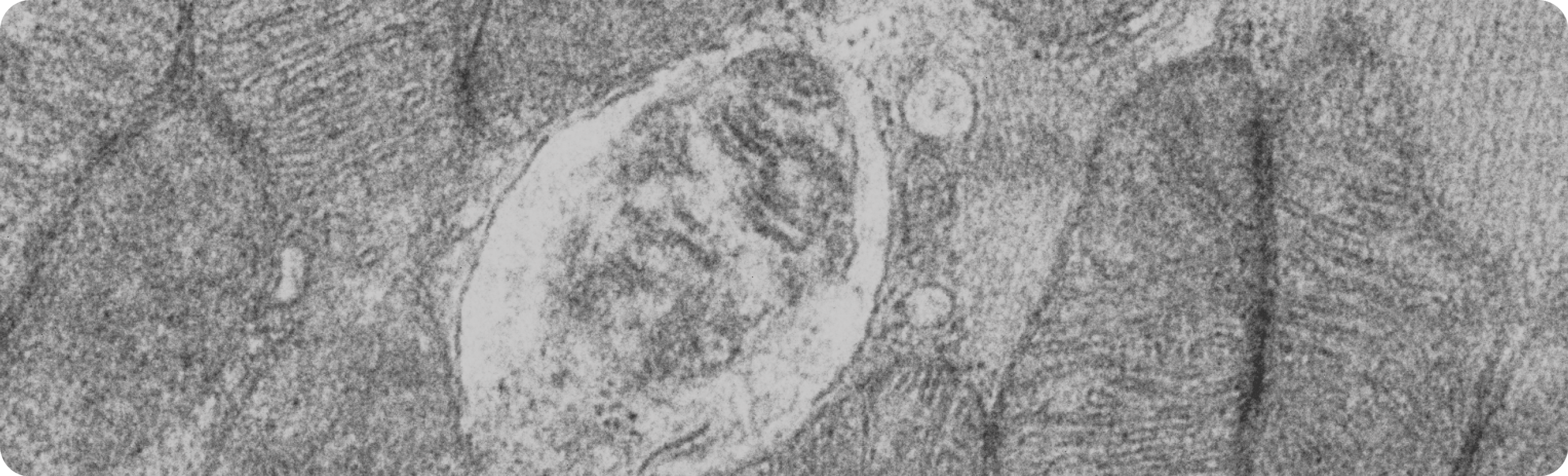
Mitophagy event captured in an electron microscope.
Why Is Mitochondrial Health the Foundation of Longevity?
Mitochondrial function is the foundation of healthy aging because every organ system depends on the energy mitochondria produce. The mitochondria, tiny powerhouses that produce the energy needed for every bodily function, from powering muscles, organs, and skin to fueling our brain and supporting immunity. As we age, mitochondrial efficiency naturally declines, contributing to fatigue, slower recovery, and increased vulnerability to disease.
By supporting mitochondrial health, we can help our cells function better, which in turn supports the health of every system in the body. This emerging area of research suggests that when we target longevity from the inside out, starting with our cells, we have the potential to improve healthspan.
One clinically studied way to do this is with Urolithin A, the active ingredient in Mitopure®, which has been shown to renew mitochondria and help them work better as we age.[1]

Why Is Muscle So Important for Longevity? Dr. Gabrielle Lyon on Muscle as an Endocrine Organ
Muscle is a metabolic and endocrine organ, not just a source of strength, and protecting it is one of the highest-leverage things you can do for healthspan. Dr. Gabrielle Lyon is a board-certified physician, New York Times bestselling author, and founder of the Muscle-Centric Medicine® movement.
“As we age, muscle mass and strength naturally decline by one to two percent per year after age 50,” she explains. “What many people don’t realize is that muscle isn’t just about aesthetics; it acts as an endocrine organ by releasing myokines, small proteins that signal throughout the body to regulate various functions, including metabolism, immune response, and inflammation.”
For Dr. Gabrielle Lyon, muscle is far more than strength and aesthetics; it’s a powerful driver of whole-body health. Dr. Lyon is a board-certified physician and New York Times bestselling author. As the founder of the Muscle-Centric Medicine® movement, she knows how important muscle is for longevity.
Her prescription for protecting muscle health:
- Nutrition: Aim for at least 1 gram of protein per pound of your ideal body weight daily, with a minimum of 30 grams at both your first and last meals.
- Training: Get 150 minutes of moderate-to-vigorous exercise per week, including 3–4 days of resistance training and one HIIT session.
- Supplementation: “Urolithin A, the active ingredient in Mitopure, supports muscle strength by enhancing mitochondrial renewal. I take 500-1000 mg daily and consider it a game-changer for healthy aging.[2]”
Dr. Lyon shares that “Mitopure brings us closer to that ideal by supporting muscle function in a way that no other supplement can.” Backed by multiple human clinical trials, it has been shown to renew mitochondria, optimize mitophagy, and improve muscle performance—including a significant ~12% improvement in leg muscle strength versus placebo[4], which is why it is a top recommendation for her[3].
How Does Skin Aging Reflect Overall Health? Julie Faitg, PhD, on Skin and Mitochondria
Skin is a vital organ whose condition reflects what is happening at the cellular level throughout the body.
Healthy skin is far more than a cosmetic concern, explains Dr. Julie Faitg, PhD. As a translational scientist at Timeline, who specializes in mitochondrial health and biology, she’s aptly aware of the way mitochondria play a role in skin longevity. “As we age, mitochondrial efficiency in skin cells declines, slowing repair and weakening the skin barrier,” she explains. “This makes skin more vulnerable to oxidative stress, delays wound healing, and increases susceptibility to infections.” These visible signs of aging often reflect deeper changes in the body, including the build-up of senescent cells that drive chronic inflammation, a process known as inflammaging.
Healthy skin is far more than a cosmetic concern, explains Dr. Julie Faitg, PhD. As a translational scientist at Timeline, who specializes in mitochondrial health and biology, she’s aptly aware of the way mitochondria play a role in skin longevity. “As we age, mitochondrial efficiency in skin cells declines, slowing repair and weakening the skin barrier,” she explains. “This makes skin more vulnerable to oxidative stress, delays wound healing, and increases susceptibility to infections.” These visible signs of aging often reflect deeper changes in the body, including the build-up of senescent cells that drive chronic inflammation, a process known as inflammaging.
She emphasizes that skin is a vital organ that plays a central role in whole-body health. “If you think of the skin as your body's first line of defense, when it loses its resilience, it not only compromises local skin health but can also affect your body’s ability to maintain homeostasis and immune surveillance. Essentially, the health of your skin can reflect and even drive the aging process of other organ systems.”
Her recommendation for supporting healthy skin aging:
- Nourish and hydrate to strengthen the skin barrier and support skin flexibility.
- Protect daily against UV exposure. Read more about sun-damaged skin here.
- Support cellular renewal with ingredients that work at the mitochondrial level, such as Urolithin A in Mitopure topicals.
“Unlike most skincare products that focus only on the surface, Mitopure works at the cellular level to improve mitochondrial function and energy production,” Dr. Faitg says. In randomized clinical trials, topical Mitopure visibly reduced the appearance of wrinkle depth and volume after only two weeks of use, with significant improvements[7] after eight weeks [5]. In the same research program, skin treated with 1% Mitopure® showed a 14% reduction in UV-induced redness within 24 hours[6].

How Does Gut Health Affect Aging? Cynthia Thurlow on the Microbiome and Longevity
The gut microbiome is a powerful driver of health at every age. Cynthia Thurlow, NP, a nurse practitioner, women’s health expert, and bestselling author, highlights how the gut is intricately linked to the way we age.
“The gut microbiome is a dynamic community of bacteria living and working within the digestive system, performing vital functions for the body,” she explains. These microbes are involved in almost every aspect of your health, from breaking down food and absorbing nutrients to supporting your immune system. When your gut is balanced, your body functions smoothly. But when it is out of balance, it can lead to issues like digestive problems, weakened immunity, and even brain fog.
As we age, Cynthia notes, “the microbiome begins to shift, especially during hormonal changes like perimenopause and menopause for women and andropause for men. One of the key changes we see is in the balance of certain keystone bacteria like Akkermansia and Bifidobacterium. When these bacteria become imbalanced, it can lead to a condition known as dysbiosis, where there’s a disruption between beneficial and non-beneficial bacteria. This dysbiosis can set the stage for chronic inflammation—what we sometimes refer to as ‘inflammaging,’ as well as increased small intestinal hyperpermeability, or leaky gut.”
Her recommendations for supporting a healthy gut microbiome:
- Eat a diverse, plant- and fiber-rich diet to feed beneficial bacteria. Try to incorporate 30 different plant foods a week.
- Include fermented foods such as yogurt, kefir, sauerkraut, and kimchi to maintain a healthy microbiome.
- Limit ultra-processed foods and added sugars that can disrupt microbial balance, and when possible, choose organic foods.
Cynthia also recommends Mitopure, and the reason is a microbiome limitation most people don't know they have. Urolithin A is not found in food directly; it is produced by gut bacteria from ellagitannins in pomegranates, berries, and nuts, and most people lack the bacteria to make meaningful amounts.
In a clinical trial of 100 healthy adults, only 12% had detectable Urolithin A at baseline, and only about 40% converted pomegranate precursors into Urolithin A after drinking pomegranate juice[8]. Direct supplementation removes that variability: a single 500 mg serving of Mitopure delivered at least 6 times higher Urolithin A plasma levels over 24 hours than 8 ounces of pomegranate juice.**

How Does the Immune System Age? Anurag Singh, MD, PhD, on Immunosenescence
Immune aging is one of the strongest signals of how well a person is aging overall. In an analysis of 11 organ systems across 44,498 UK Biobank participants, the biological ages of the brain and the immune system emerged as the strongest predictors of healthspan and longevity (Oh et al., 2025, Nature Medicine). Dr. Anurag Singh, MD, PhD, is Chief Medical Officer at Timeline[9].
Dr. Anurag Singh, MD, PhD, and Chief Medical Officer at Timeline, explains what happens during this process of immune aging, also known as immunosenescence.
“As we get older, our immune system starts to change, and not always in ways we’d like. Immune aging, or immunosenescence, is the gradual decline of the immune system beginning in early adulthood, influenced by several key factors: inflammaging, thymic involution, and the health of mitochondria in immune cells.”
He describes this shift as a gradual slowdown. “We produce fewer new immune cells, including T-cells and B-cells, which hunt down and eliminate harmful invaders like viruses and bacteria. As these youthful T-cells (like CD8 naive T-cells) decline, our immune defenses aren’t as strong, making us more prone to infections and disease, taking longer to recover, having a lower response to vaccines, and facing a higher risk of autoimmune and other health issues.”
“But it’s not just a matter of having fewer cells; it’s also about the quality of the ones we do have,” Dr. Singh explains. He notes that immune aging is also closely tied to chronic, low-grade inflammation that comes with aging, a process known as inflammaging.
His recommendations for supporting immune health as we age:
- Eat a balanced diet rich in immune-boosting foods such as citrus fruits, berries, dark leafy greens, and spices like ginger.
- Incorporate fermented foods like yogurt and kefir to strengthen the gut-immune connection.
- Exercise regularly, with moderate activity most days and strength training to help lower inflammation.
- Prioritize restorative sleep and stress management.
Mitochondrial support is the newest addition to that list, and it now has randomized controlled trial evidence behind it. In a double-blind, placebo-controlled trial published in Nature Aging, 50 healthy middle-aged adults took 1,000 mg of Urolithin A or placebo daily for four weeks. The Urolithin A group showed an expansion of naive-like, less terminally exhausted CD8+ T cells and a significant increase in CD8+ fatty acid oxidation capacity, a direct marker of improved mitochondrial function in immune cells[10].
What Are Mitochondria, and How Can You Keep Them Healthy? Thomas DeLauer’s Longevity Tips
Small, repeatable training and recovery choices have an outsized effect on mitochondrial quality. Thomas DeLauer is a health educator and longevity coach known for making complex science accessible.
Thomas DeLauer, a health educator and longevity coach known for making complex science accessible to all, believes that small, intentional choices can have a big impact on how our cells and mitochondria age.
Thomas emphasizes that mitochondria are far more than simple energy factories. “It’s not just the powerhouse, it’s a quantum engine that creates energy from protons tunneling,” he explains. “The healthy metabolism just helps this quantum machine run smoother.”
He also highlights that mitochondria can signal in surprising ways. “Your mitochondria emit light. They’re called bio-photons, and they’re nano-flashes of light that come from the energy manufacturing process[11]. These little bits of light actually act as photosynthetic signals for the rest of our body.”
As research evolves, Thomas believes mitochondria will be central to how we understand aging itself. “We are just now beginning to understand that the mitochondria are more than just an energy factory, and we’re starting to learn that they might just be the hallmark of everything in our body.” For him, mitochondrial health is not only vital for everyday energy and performance, it is also a cornerstone of longevity.
Thomas’s top 5 longevity tips:
- Occasional fasted training helps mitochondria adapt and use fuel more efficiently.
- Build muscle (start early, but it’s never too late) to create a metabolic buffer against age-related decline.
- Zone 5 training stresses mitochondria in unique ways that boost adaptability.
- Intra-workout carbohydrates can improve glucose use without spiking insulin.
- Myofascial release supports movement, recovery, and overall well-being.
Alongside these lifestyle strategies, Thomas also emphasizes targeted supplementation, including Mitopure, to support mitochondrial health and promote longevity.
The Bottom Line: Daily Habits That Support Healthy Aging
As our experts remind us, longevity is not just about adding years to life but about adding life to years. Muscle, skin, gut, and immune health each play a vital role in how well we age, and together they reflect the power of caring for our bodies from the inside out. The small, consistent choices we make every day add up to create a strong foundation for lasting vitality.
Aging is something to support, not fear. By focusing on cellular and mitochondrial health with the support of Mitopure, you can give your cells the energy they need to help you live better for longer.
This Longevity Month, we invite you to take part in building habits that support your whole-body health, discover new ways to strengthen your resilience, and embrace aging as a sign of a life well lived.
Frequently Asked Questions
What is Mitopure, and how does it work?
Mitopure is a highly purified form of Urolithin A that activates mitophagy, the cellular process that clears out damaged mitochondria so cells can produce energy more efficiently. In a randomized controlled trial in middle-aged adults, Urolithin A renewed mitochondria and improved muscle performance. It is typically taken daily at 500-1,000 mg.[12]
How much Urolithin A should you take per day?
Clinical studies of Mitopure use 500 mg to 1,000 mg of Urolithin A per day. The 500 mg dose has been shown to trigger mitochondrial gene expression and increase hamstring muscle strength by up to[14] 12% after 16 weeks[13].
*Our clinical study showed that sedentary, middle-aged adults with an average BMI of 29.52 increased hamstring muscle strength.
The muscle endurance and immune findings come from the higher 1,000 mg dose, studied in adults aged 65–90[15] and in healthy middle-aged adults[16].
Can you get enough Urolithin A from food?
Most people cannot produce meaningful amounts of Urolithin A from food, because conversion depends on specific gut bacteria that most adults lack. In a clinical trial of 100 healthy adults, only 12% had detectable Urolithin A at baseline and only about 40% converted pomegranate precursors into Urolithin A (Singh, D'Amico, Andreux et al., 2022, European Journal of Clinical Nutrition).
A single 500 mg serving of Mitopure delivered at least 6 times higher Urolithin[17]
A plasma levels over 24 hours than 8 ounces of pomegranate juice.**
Authors

Written by
Director Science Communications

Reviewed by
Lead Regulatory Affairs & Scientific Manager Alliances at Timeline
References
- ↑
Singh, A., D'Amico, D., Andreux, P. A., Fouassier, A. M., Blanco-Bose, W., Evans, M., Aebischer, P., Auwerx, J., & Rinsch, C. (2022). Urolithin A improves muscle strength, exercise performance, and biomarkers of mitochondrial health in a randomized trial in middle-aged adults. Cell reports. Medicine, 3(5), 100633. https://doi.org/10.1016/j.xcrm.2022.100633 (https://www.google.com/url?q=https://doi.org/10.1016/j.xcrm.2022.100633&sa=D&source=docs&ust=1787240461484216&usg=AOvVaw3EIhEyqyFYXfGP3Jr8bjBZ)
- ↑
Our clinical study showed that sedentary, middle-aged adults with an average BMI of 29.52 increased hamstring muscle strength.
- ↑
Our clinical study showed that sedentary, middle-aged adults with an average BMI of 29.52 increased hamstring muscle strength.
- ↑
Singh et al., 2022, Cell Reports Medicine
- ↑
Based on an 8-week randomized clinical trial of 48 healthy women aged 50 to 75 years.
- ↑
Based on an 8-week randomized clinical trial of 48 healthy women aged 50 to 75 years.
- ↑
D'Amico et al., 2023, medRxiv preprint; trial registrations NCT05300984, NCT05300542
- ↑
Singh, D'Amico, Andreux et al., 2022, European Journal of Clinical Nutrition
- ↑
Oh, H. S., Le Guen, Y., Rappoport, N., Urey, D. Y., Farinas, A., Rutledge, J., Channappa, D., Wagner, A. D., Mormino, E., Brunet, A., Greicius, M. D., & Wyss-Coray, T. (2025). Plasma proteomics links brain and immune system aging with healthspan and longevity. Nature medicine, 31(8), 2703–2711. https://doi.org/10.1038/s41591-025-03798-1 (https://www.google.com/url?q=https://doi.org/10.1038/s41591-025-03798-1&sa=D&source=docs&ust=1787240461482634&usg=AOvVaw2kfODd7_0OBz8843kRP9JA)
- ↑
Denk, D., Singh, A., Kasler, H. G., D'Amico, D., Rey, J., Alcober-Boquet, L., Gorol, J. M., Steup, C., Tiwari, R., Kwok, R., Argüello, R. J., Faitg, J., Sprinzl, K., Zeuzem, S., Nekljudova, V., Loibl, S., Verdin, E., Rinsch, C., & Greten, F. R. (2025). Effect of the mitophagy inducer urolithin A on age-related immune decline: a randomized, placebo-controlled trial. Nature aging, 5(11), 2309–2322. https://doi.org/10.1038/s43587-025-00996-x (https://www.google.com/url?q=https://doi.org/10.1038/s43587-025-00996-x&sa=D&source=docs&ust=1787240461495279&usg=AOvVaw19mlD0XNYW_IOGbTYXoxTB)
- ↑
Kobayashi, K., Okabe, H., Kawano, S., Hidaka, Y., & Hara, K. (2014). Biophoton emission induced by heat shock. PloS one, 9(8), e105700. https://doi.org/10.1371/journal.pone.0105700 (https://www.google.com/url?q=https://doi.org/10.1371/journal.pone.0105700&sa=D&source=docs&ust=1787240461517787&usg=AOvVaw3D1QSGkQ0rVdX9HnodG7uI)
- ↑
Singh, A., D'Amico, D., Andreux, P. A., Fouassier, A. M., Blanco-Bose, W., Evans, M., Aebischer, P., Auwerx, J., & Rinsch, C. (2022). Urolithin A improves muscle strength, exercise performance, and biomarkers of mitochondrial health in a randomized trial in middle-aged adults. Cell reports. Medicine, 3(5), 100633. https://doi.org/10.1016/j.xcrm.2022.100633 (https://www.google.com/url?q=https://doi.org/10.1016/j.xcrm.2022.100633&sa=D&source=docs&ust=1787240461496919&usg=AOvVaw2A6ZREmPNh4C4isckPEnGH)
- ↑
Singh, A., D'Amico, D., Andreux, P. A., Fouassier, A. M., Blanco-Bose, W., Evans, M., Aebischer, P., Auwerx, J., & Rinsch, C. (2022). Urolithin A improves muscle strength, exercise performance, and biomarkers of mitochondrial health in a randomized trial in middle-aged adults. Cell reports. Medicine, 3(5), 100633. https://doi.org/10.1016/j.xcrm.2022.100633 (https://www.google.com/url?q=https://doi.org/10.1016/j.xcrm.2022.100633&sa=D&source=docs&ust=1787240461490775&usg=AOvVaw1etmX16Lk7yUmntjayTD_v)
- ↑
Our clinical study showed that sedentary, middle-aged adults with an average BMI of 29.52 increased hamstring muscle strength.
- ↑
Liu, S., D'Amico, D., Shankland, E., Bhayana, S., Garcia, J. M., Aebischer, P., Rinsch, C., Singh, A., & Marcinek, D. J. (2022). Effect of Urolithin A Supplementation on Muscle Endurance and Mitochondrial Health in Older Adults: A Randomized Clinical Trial. JAMA network open, 5(1), e2144279. https://doi.org/10.1001/jamanetworkopen.2021.44279 (https://www.google.com/url?q=https://doi.org/10.1001/jamanetworkopen.2021.44279&sa=D&source=docs&ust=1787240461492433&usg=AOvVaw1Hoi-hI_SpxFbOxeETrtN5)
- ↑
Denk, D., Singh, A., Kasler, H. G., D'Amico, D., Rey, J., Alcober-Boquet, L., Gorol, J. M., Steup, C., Tiwari, R., Kwok, R., Argüello, R. J., Faitg, J., Sprinzl, K., Zeuzem, S., Nekljudova, V., Loibl, S., Verdin, E., Rinsch, C., & Greten, F. R. (2025). Effect of the mitophagy inducer urolithin A on age-related immune decline: a randomized, placebo-controlled trial. Nature aging, 5(11), 2309–2322. https://doi.org/10.1038/s43587-025-00996-x (https://www.google.com/url?q=https://doi.org/10.1038/s43587-025-00996-x&sa=D&source=docs&ust=1787240461505760&usg=AOvVaw25UcQ1NZqXh746Od3oeXek)
- ↑
Singh, A., D'Amico, D., Andreux, P. A., Dunngalvin, G., Kern, T., Blanco-Bose, W., Auwerx, J., Aebischer, P., & Rinsch, C. (2022). Direct supplementation with Urolithin A overcomes limitations of dietary exposure and gut microbiome variability in healthy adults to achieve consistent levels across the population. European journal of clinical nutrition, 76(2), 297–308. https://doi.org/10.1038/s41430-021-00950-1 (https://www.google.com/url?q=https://doi.org/10.1038/s41430-021-00950-1&sa=D&source=docs&ust=1787240461514933&usg=AOvVaw3zd-9_m5iweO942yn9Wj4B)

·
Nutrition·
Fake Urolithin A Supplements: How to Spot the Real Thing
·
Nutrition·
Studies·